
Must-Have Trekking Gear for a Safe and Comfortable Himalayan Trek
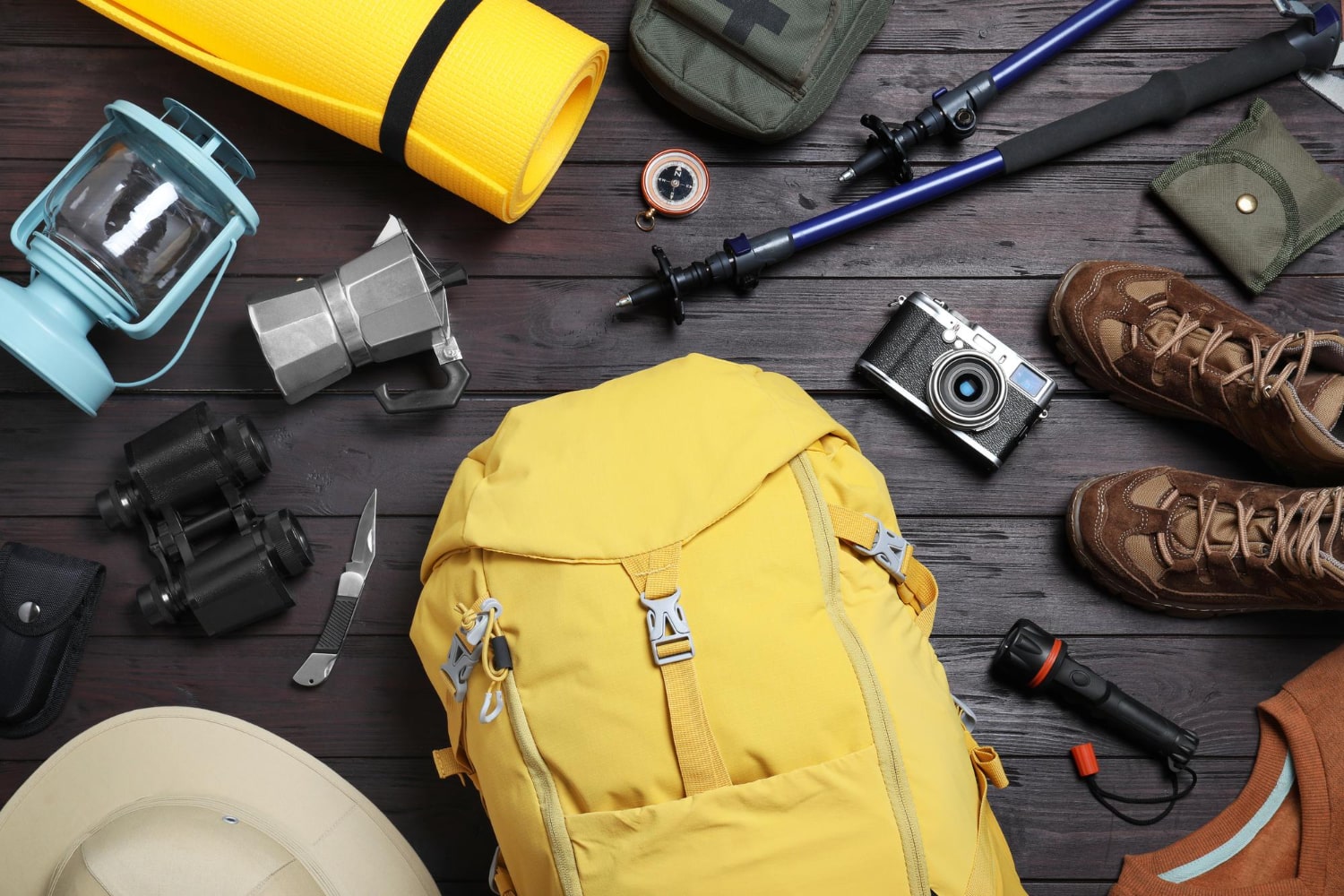
Trekking in the Himalayas is an unforgettable experience — but only if you’re properly prepared. The right trekking gear can make the difference between an enjoyable journey and a difficult one. Whether you’re a beginner heading for your first trek or an experienced trekker exploring high-altitude trails, having the correct gear is essential for safety, comfort, and confidence.
In this guide, we’ll walk you through the must-have trekking gear you should carry for Himalayan treks in Uttarakhand and beyond.
1. Trekking Shoes – Your Most Important Gear
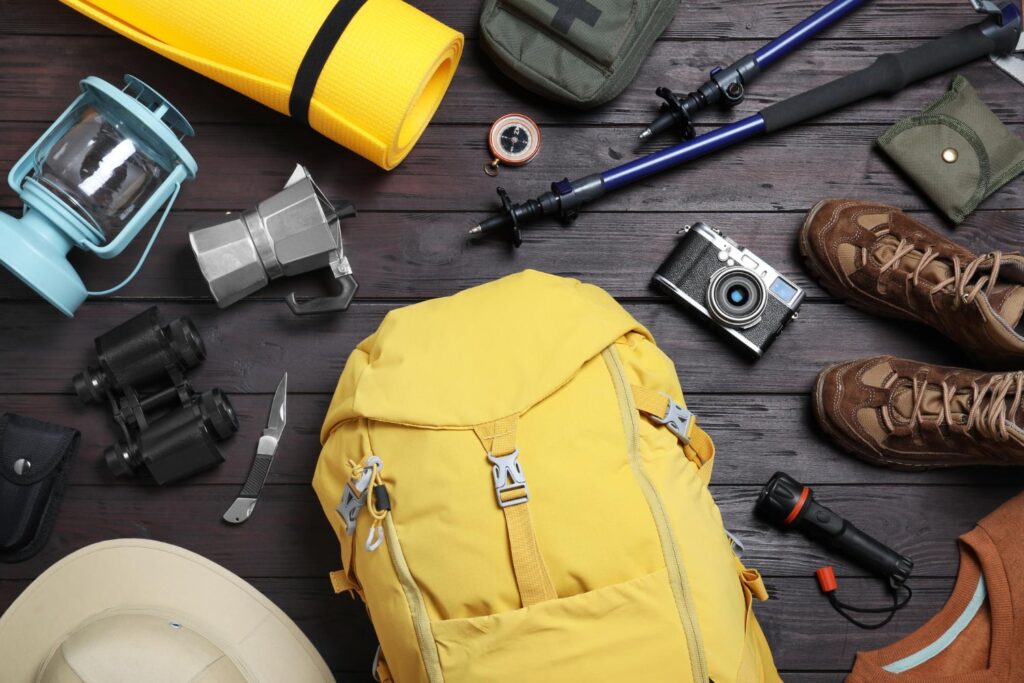
A good pair of trekking shoes is non-negotiable. Your shoes protect your feet from rough terrain, cold temperatures, water crossings, and long walking hours.
What to look for:
- Strong ankle support
- Good grip and traction
- Waterproof or water-resistant material
- Comfortable fit (never trek with new, untested shoes)
💡 Tip: Break in your shoes with short walks before the trek.
2. Backpack & Rain Cover
Your backpack should comfortably carry all your essentials without putting strain on your shoulders or back.
Ideal backpack size:
- 40–50 liters for multi-day treks
- Padded shoulder straps and hip belt
- Lightweight yet durable material
Always carry a rain cover to protect your belongings from rain or snow.
3. Clothing Layers – Dress Smart, Not Heavy
Layering is key while trekking in the mountains, where weather can change quickly.
Base Layer
- Moisture-wicking t-shirts or thermals
- Avoid cotton; it retains moisture
Mid Layer
- Fleece or insulated jacket for warmth
Outer Layer
- Windproof and waterproof jacket (essential)
Trek Pants
- Quick-dry, stretchable trekking pants
- Avoid jeans completely
4. Warm Accessories
Even summer treks can get cold at higher altitudes.
Must-carry items:
- Woolen cap or beanie
- Gloves (thermal or fleece)
- Extra pairs of socks (preferably woolen)
5. Trekking Poles (Optional but Helpful)
Trekking poles reduce stress on your knees, especially during steep ascents and descents. They are highly recommended for beginners and long treks.
6. Sleeping Essentials (If Required)
For camping treks, some basic sleeping gear is essential:
- Sleeping bag suitable for cold temperatures
- Sleeping liner for extra warmth and hygiene
(Most organized treks, including those by 360Hike, provide tents and sleeping bags.)
7. Headlamp or Torch
A headlamp is better than a torch as it keeps your hands free. It’s useful for early morning starts, campsite movement, or emergencies.
Carry extra batteries just in case.
8. Personal First Aid & Medicines
Every trekker should carry a small personal medical kit.
Include:
- Basic painkillers
- Medicines for cold, fever, stomach issues
- Band-aids and antiseptic
- Any personal prescription medicines
💡 Never depend entirely on group first aid.
9. Water Bottles & Hydration
Staying hydrated is crucial at altitude.
Carry:
- 1–2 reusable water bottles
- OR a hydration bladder
- Optional: water purification tablets
10. Sunglasses & Sunscreen
UV rays are stronger at higher altitudes.
Must-have items:
- UV-protected sunglasses
- Sunscreen (SPF 30 or higher)
- Lip balm with SPF
11. Toiletries & Personal Items
Keep it minimal and eco-friendly:
- Toothbrush & toothpaste
- Quick-dry towel
- Toilet paper / tissues
- Hand sanitizer
- Wet wipes
12. Documents & Essentials
Don’t forget:
- Government-issued ID
- Trek permits (if required)
- Cash (ATMs are rare in mountain regions)
- Power bank for charging devices
13. Optional but Useful Items
- Camera or smartphone for memories
- Lightweight slippers for campsite
- Small dry bag for electronics
- Notebook or journal
Common Packing Mistakes to Avoid
- Carrying unnecessary heavy items
- Wearing cotton clothes
- Using brand-new shoes on the trek
- Overpacking multiple jackets instead of layering
- Ignoring weather conditions
Final Thoughts
Having the right trekking gear doesn’t mean carrying expensive or excessive items — it means carrying smart, practical, and essential equipment. Proper gear not only ensures your safety but also allows you to fully enjoy the beauty of the Himalayas without discomfort.
At 360Hike, we guide trekkers on what to pack and help ensure they are well-prepared before every trek. With the right gear and the right guidance, your trekking experience becomes smoother, safer, and truly memorable.
